Monitoring Backlink Profile Changes With Web Crawl Data
Track link changes faster by crawling on your own schedule instead of waiting for platform reports.
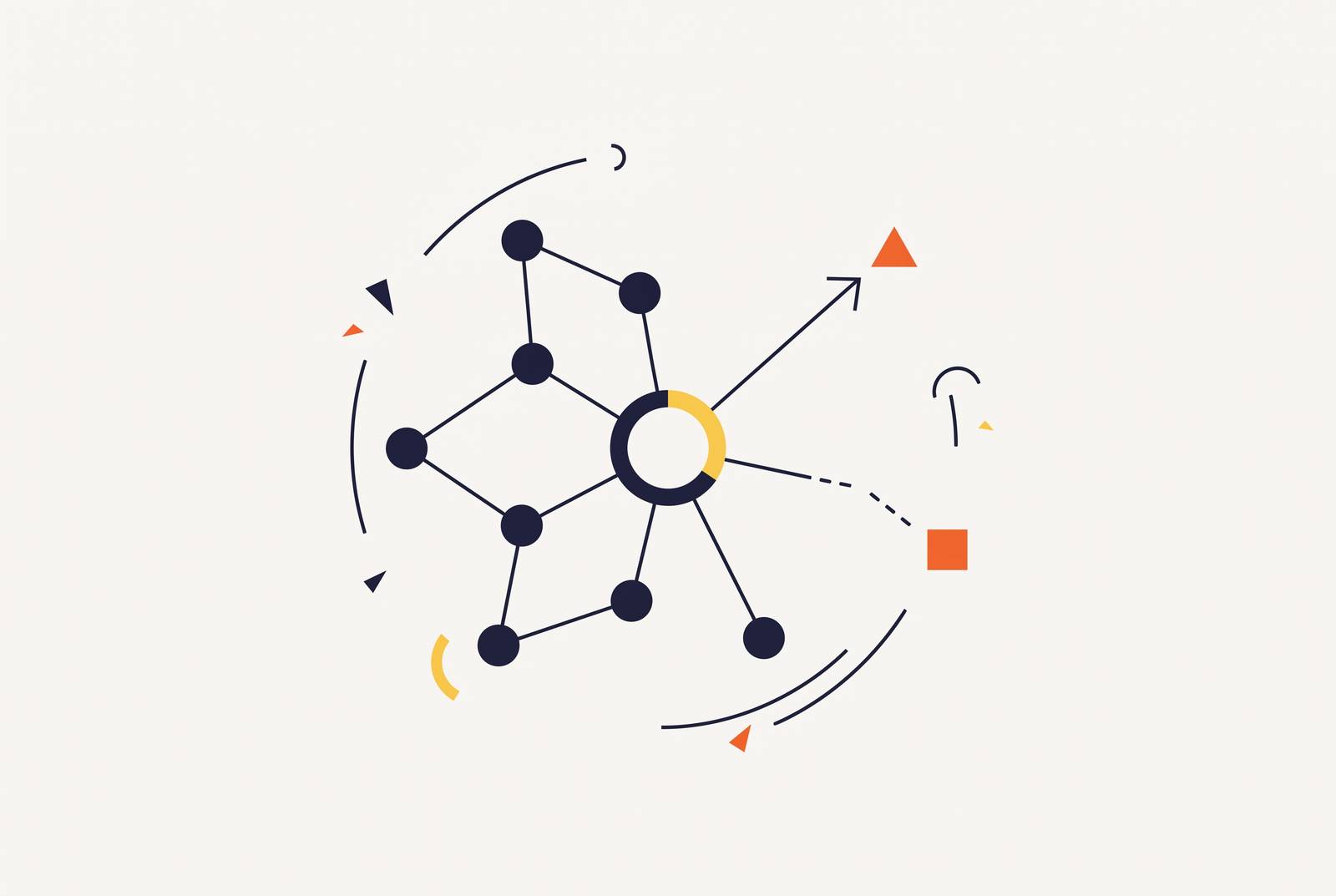
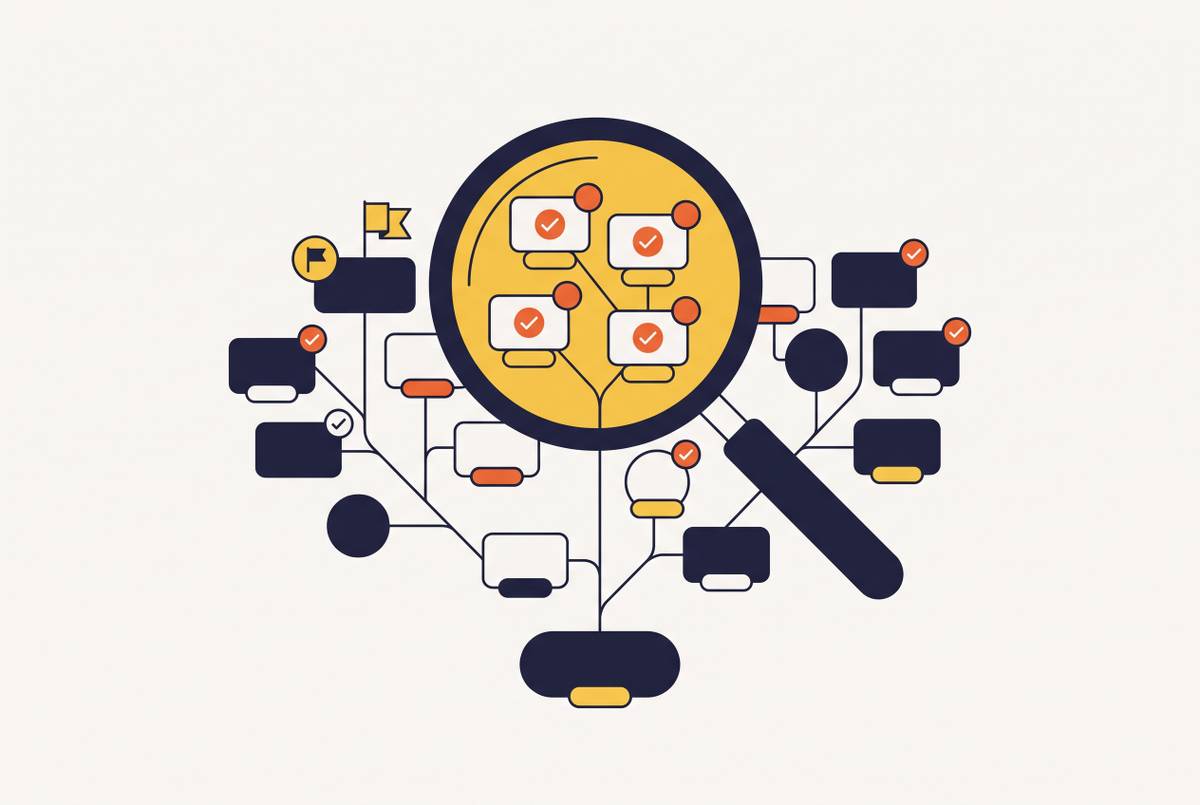
Monitoring backlink profile changes with web crawl data gives teams control over when known links are checked and what changes get reported. Dedicated SEO platforms make monitoring convenient, but raw crawl pipelines make it programmable. The strongest approach is often to use a platform for discovery and a custom crawl layer to protect placements worth recovering.
Why backlink profiles change faster than periodic SEO platform reports can capture
A guest post loses its link, and no one notices for weeks. The placement still sits in a reporting sheet, looking reassuringly complete. Meanwhile, the referring page has been edited, redesigned, or taken down, without any notification reaching the team that earned the link. Rankings can decline weeks after the loss. By then, the report is describing damage rather than giving the team an early chance to respond.
Backlink profiles change through link rot, attribute changes, and page restructures that can bury a placement without removing it. Periodic reports expose those changes only when the next crawl reaches the page, so losses can accumulate between updates. Manual spot-checking can cover a handful of placements, but it breaks down at agency or enterprise scale. A link marked “secured” is not, unfortunately, a link placed in witness protection.
How crawl-based backlink detection actually works at the mechanism level
Backlink confirmation starts with a simple operation. A crawler fetches the referring page, parses its markup, and checks whether the target URL remains present with the expected attributes. How well detection works then depends on crawl frequency, parsing depth, and attribute checking. Frequency determines how soon a change becomes visible, while attribute checking distinguishes a surviving link from one whose rel value has changed to nofollow, sponsored, or ugc. Presence alone is not a complete result.
Parsing depth determines what the crawler can see. Links that appear only after JavaScript runs need rendered output, while links already in static HTML can be checked with a raw HTML fetch. The returned format also shapes downstream work. Raw HTML needs parsing, but structured JSON or cleaned Markdown can go straight into automated analysis if the output keeps the fields needed for the check.
This mechanism serves two different monitoring goals. Discovery looks across the web for links the team has not found before, competitor links, and unlinked brand mentions. Confirmation revisits known placements to check that they remain live, correctly attributed, and free of unexpected link attributes. Discovery needs coverage. Confirmation needs dependable repeat checks. The underlying fetch-and-parse operation is the same whether it runs inside a platform or a system the team controls.
What dedicated SEO platforms abstract away and why that abstraction has a cost
Dedicated platforms put crawl results into dashboards that are easy to use. That is useful work, especially for teams that need broad profiling without maintaining a data pipeline. The trade-off is that the vendor chooses the crawl schedule, coverage, and schema. A team learns about a change when the platform next fetches that referring page, which may be days after the event. No platform crawls the entire web, and niche or newer placements can be underrepresented in index-based tools.
The same abstraction can also hide the cause. A “lost link” result does not necessarily explain whether the page disappeared, a redesign removed the placement, or the link acquired a nofollow attribute. Those conditions call for different responses, but a coarse status leaves the recovery team guessing. Exported data introduces another constraint because it arrives in the platform’s schema and may need transformation before entering an alerting or AI workflow. The dashboard has saved work, but not necessarily the work this team needs done.
Ahrefs and Semrush offer programmatic API access, which helps connect their data to other workflows. It does not hand over the crawl clock. Their APIs still return data gathered on the platform’s schedule. Full-suite pricing can also be a poor fit when the need is confirmation of a bounded URL set.
The architecture of a custom backlink monitoring pipeline built on raw crawl data
For a team that needs that control, the alternative starts with a structured placement register. Each record holds the referring page URL, target URL, expected anchor text, expected link attributes, placement date, and domain authority at placement. That register defines what the system is protecting. A scheduler then sends crawl requests on the chosen cadence, with on-demand checks after suspected changes. A crawl API can handle proxy rotation, rate limiting, and retries so the monitoring application does not have to.
The fetch request must match the page. JavaScript-dependent placements need rendered output, while known static placements can use a lighter HTML fetch. The parser extracts outbound links, normalizes URLs, and checks for the expected target. It records presence, anchor text, rel attributes, and the surrounding content. Keeping that context turns a missing-link flag into evidence that a person or downstream process can examine.
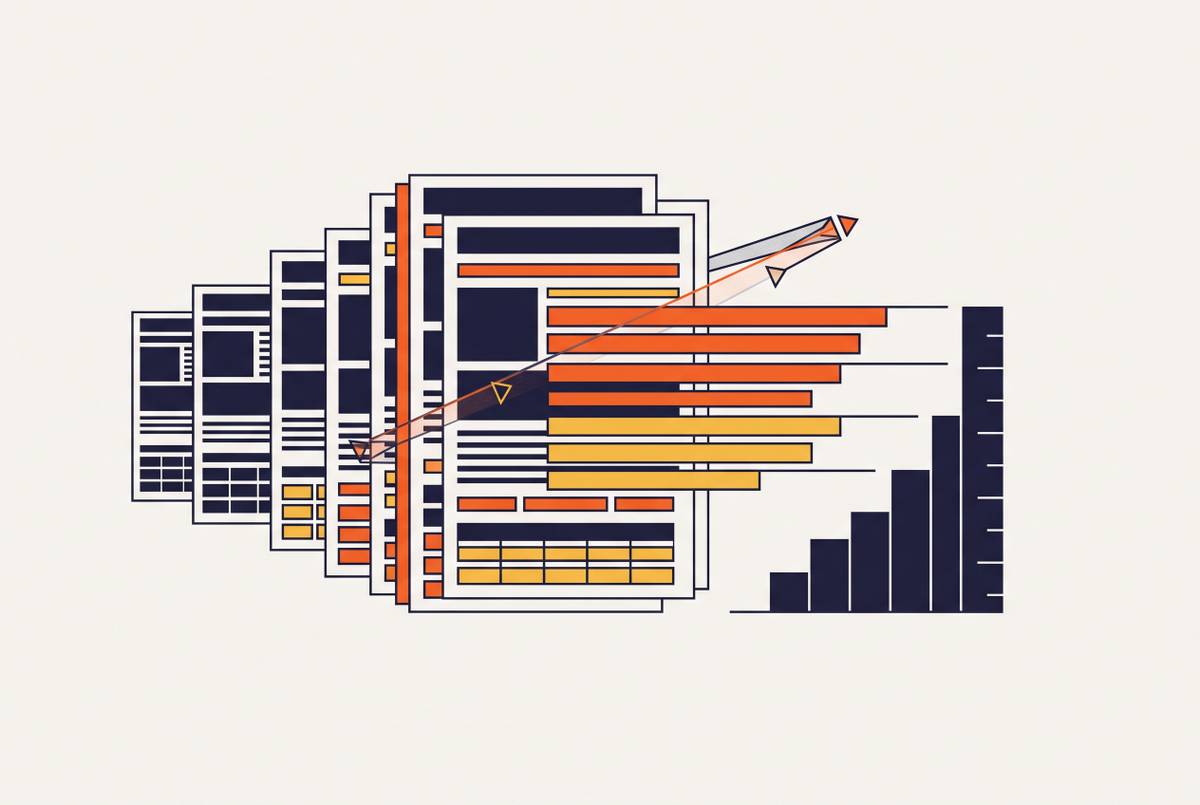
Change detection compares those fields with the stored baseline. The diff flags removals, attribute and anchor changes, HTTP status changes, and substantial edits around the link. Results go to a time-series store, while alerts sent through a webhook, Slack, or email identify the referring page, the change, and the previous state. For thousands of placements, batch submission and asynchronous webhook callbacks separate the monitoring trigger from result processing. Structured JSON or LLM-ready Markdown then gives downstream analysis a usable record.
Detecting the four change types that actually damage link equity
Hard removal is when the target link is gone. The crawler detects it when the expected URL is absent from the fetched markup, then distinguishes an edited page from a deleted page returning 404 or a redirect returning 3xx. That distinction belongs in the alert because it changes the recovery conversation. Once hard removals are confirmed, people review them and start recovery outreach right away. They are the most urgent signal in this routing scheme.
Attribute change is when the link is still there but has changed. Comparing the current rel values with the baseline reveals a shift from dofollow to nofollow, sponsored, or ugc. Anchor text changes belong in the same workflow because the placement remains present but its attribution or context has shifted. These events enter a queued recovery process. The page still exists and the webmaster relationship remains intact, making this the most recoverable category described here.
Page-level degradation is when the referring page has weakened. It may have moved deeper into the site, lost its own inbound links, or been de-indexed, while the monitored backlink remains untouched. A presence check cannot settle that question, so this category requires cross-referencing crawl data with index status checks rather than treating a surviving link as proof of unchanged value. The response is a monthly equity audit. This is a different problem from asking a webmaster to restore missing markup.
Content context change is when the copy around the link has changed. Comparing extracted text windows across snapshots shows whether a link that is still there now sits in copy that no longer matches the target page’s topic. Those events go to editorial judgment. Across all four categories, page-level A/B tests, caching artifacts, and temporary redirects can produce false positives. A retry crawl after a short delay is the minimum check before alerting, so the system does not turn every passing wobble into an emergency.
Scaling the monitoring cadence: frequency, prioritization, and cost at high URL volumes
Tier 1 has editorial links from high-authority domains and links that support revenue-critical pages, which are checked daily or more often. Tier 2 covers moderate-value guest posts, directory listings, and partner pages on a weekly cadence. Tier 3 covers legacy, speculative, lower-authority, or rarely changing placements, checked monthly or on demand.
A placement that has recently changed deserves more frequent checks regardless of its original tier. Historical volatility gives the scheduler information that domain authority alone cannot supply. Static HTML placements can keep their lighter fetch, and JavaScript-dependent pages still get rendering. This avoids paying the rendering overhead where it adds no visibility.
At high volume, the base request is only part of the workload. Failed fetches generate retries, JavaScript adds processing, and proxy handling adds operational work. A crawl API with built-in retry and proxy handling saves the team from building those parts, but costs still depend on how often requests run and which pages get rendering. Scheduled batches with webhook results suit Tier 2 and Tier 3 better than individual synchronous requests. The highest-stakes Tier 1 placements may justify near-real-time polling, but “real time” still depends on how often the page is fetched.
Feeding crawl change data into AI-assisted triage and recovery workflows
AI triage needs a clean diff. Structured JSON or LLM-ready Markdown gives the model the link’s current and previous state, its rel attributes, and the copy around it without making it first untangle raw HTML. That input supports classification and prioritization of detected changes. It does not replace the crawl layer. The model reasons over what the fetch and parser supply, so incomplete link data leaves it with an incomplete case.
One useful task is distinguishing likely accidental removal from an editorial removal. If surrounding content remains intact while the link disappears, that supports a different classification from a page whose copy changed around the gap. These signals leave intent uncertain. The same analysis can check whether a link that is still there has drifted into unrelated content and rank recovery tasks by how much equity is thought to be at stake and how likely recovery is. A live page, available webmaster contact, and relationship history help shape that queue.
In this architecture, the crawl API supplies the evidence. Structured output passes to the classification layer, and the agent writes its results to a store before drafting a recovery email, creating a task, or updating a dashboard. Human approval remains the boundary before outreach. Fully autonomous email sends risk wrongful contact and reputational harm, particularly when a classification mistakes an editorial decision or temporary artifact for a recoverable loss.
When raw crawl monitoring is the right architecture and when it isn't
Raw crawl monitoring fits a known, bounded set of placements. Outreach-built links, guest posts, and partnership pages give the system a clear register to revisit on a custom schedule. The case becomes stronger when results need to enter an existing data pipeline, alerting system, or AI workflow. When there are many requests, paying per page can also make more sense, and the team may need checks more often than the platform’s schedule allows. Detailed change context is another reason to own this layer.
Broad discovery is a different assignment entirely. Finding links the team did not build, checking competitor profiles, or finding toxic links from unknown sources needs an indexed crawl of the open web, which is more than a placement-confirmation pipeline can cover. Platforms are the better fit for that work. They also remain the better choice when engineering bandwidth is too limited to build and maintain a custom system. An abstraction that saves scarce time is doing its job.
For many teams at scale, the practical answer is hybrid. A platform-level index handles discovery and broad profiling, while a raw crawl pipeline keeps watch over known high-value placements on the team’s terms. The decision is not whether a dashboard or an API is inherently better, but whether the task needs broad coverage or controlled rechecks. Build the custom layer where control changes the response.